


Sodium-glucose cotransporter 2 inhibitors (SGLT-2i) have proven effective in chronic heart failure (CHF). However, evidence regarding their use in acute heart failure (AHF), particularly among elderly patients, is limited. This study aimed to assess the safety and tolerability of SGLT-2i in elderly patients hospitalized for AHF.
MethodsWe conducted a multicenter retrospective study including 192 patients admitted with AHF, with a mean age of 83.3 ± 8.3 years, of whom 57.3% were female. The initiation of SGLT-2i during hospitalization, adverse events, mortality, and readmission rates were analyzed.
ResultsSGLT-2i therapy was initiated within the first 48 hours of admission in 31.3% of patients. Only 5.7% experienced drug-related adverse effects. During follow-up, 10.4% of patients died and 25% required hospital readmission.
ConclusionsSGLT-2i treatment in elderly patients with AHF demonstrated good tolerance and safety, even in those with multiple comorbidities. These findings suggest that early initiation of SGLT-2i during hospitalization for AHF may represent an effective and safe therapeutic strategy, supporting the optimization of clinical management in this high-risk population.
Los inhibidores del cotransportador de sodio-glucosa tipo 2 (iSGLT-2) han demostrado eficacia en la insuficiencia cardíaca crónica (ICC). Sin embargo, existe menos evidencia sobre su utilización en el contexto de insuficiencia cardíaca aguda (ICA), especialmente en pacientes de edad avanzada. El objetivo de este estudio fue analizar la seguridad y la tolerancia de los iSGLT-2 en pacientes ancianos hospitalizados por ICA.
MétodosSe realizó un estudio multicéntrico retrospectivo en 192 pacientes hospitalizados por ICA, con una edad media de 83,3 ± 8,3 años, de los cuales el 57,3% eran mujeres. Se evaluó el inicio de iSGLT-2 durante la hospitalización, la aparición de efectos adversos, la mortalidad y la tasa de reingresos.
ResultadosEl 31,3% de los pacientes inició tratamiento con iSGLT-2 en las primeras 48 horas de ingreso. Solo un 5,7% presentó efectos adversos relacionados con el fármaco. Durante el seguimiento, el 10,4% de los pacientes falleció y el 25% requirió un nuevo ingreso hospitalario.
ConclusionesEl tratamiento con iSGLT-2 en pacientes ancianos con ICA mostró buena tolerancia y seguridad, incluso en presencia de múltiples comorbilidades. Estos hallazgos sugieren que el inicio precoz de iSGLT-2 durante la hospitalización por ICA podría constituir una intervención terapéutica eficaz y segura, contribuyendo a optimizar el manejo clínico en esta población de alto riesgo.
Article
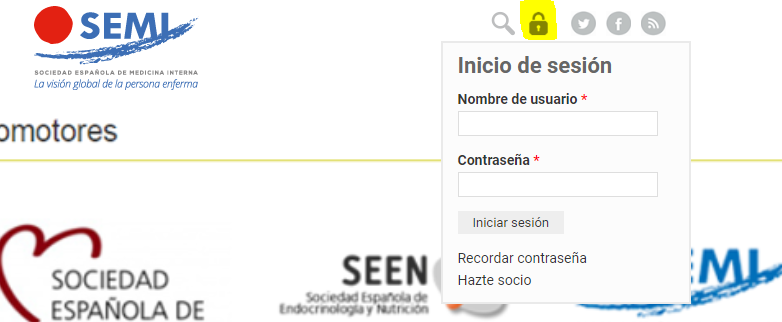
Diríjase desde aquí a la web de la >>>FESEMI<<< e inicie sesión mediante el formulario que se encuentra en la barra superior, pulsando sobre el candado.
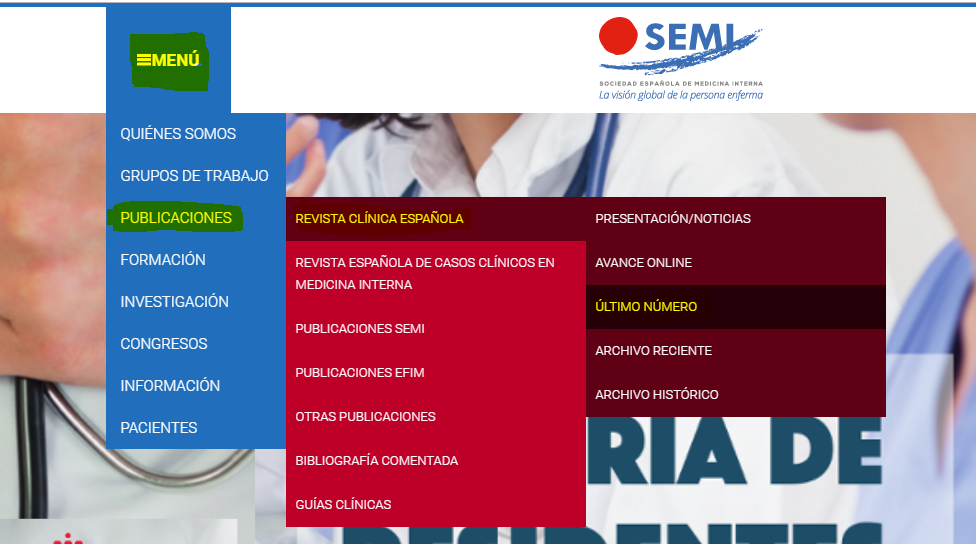
Una vez autentificado, en la misma web de FESEMI, en el menú superior, elija la opción deseada.
>>>FESEMI<<<