


GLP-1 receptor agonists, such as semaglutide, have demonstrated cardiovascular benefits in trials such as SELECT and SOUL. This study assesses the proportion of post-myocardial infarction patients who meet eligibility criteria to benefit from semaglutide.
MethodsA retrospective, single-centre observational study was conducted including 100 consecutive patients following myocardial infarction. Clinical, demographic, and laboratory data were analysed. Eligibility was assessed using the criteria from the SELECT trial (body mass index ≥27 kg/m², no diabetes, established atherosclerotic disease) and the SOUL trial (type 2 diabetes mellitus and atherosclerotic cardiovascular disease).
ResultsSELECT criteria were met by 42 patients, SOUL criteria by 34, and both by 76. This combined group was characterised by older age, greater comorbidity burden (hypertension, dyslipidaemia, type 2 diabetes mellitus), higher body mass index, and a more atherogenic lipid profile.
DiscussionThe high proportion of eligible patients suggests that these trials truly represent real-world clinical practice. The SELECT + SOUL group exhibited features consistent with metabolic syndrome, potentially explaining their elevated cardiovascular risk and the likely benefit from semaglutide.
ConclusionsSemaglutide shows high potential for prescription in specialties managing patients with cardiovascular events, identifying a target group with characteristics typical of metabolic syndrome.
Los agonistas del receptor de GLP-1, como semaglutida, han demostrado beneficios cardiovasculares en estudios como SELECT y SOUL. Este estudio evalúa qué proporción de pacientes post-infarto cumple criterios para beneficiarse de semaglutida.
MétodosEstudio observacional retrospectivo unicéntrico con 100 pacientes consecutivos tras IAM. Se analizaron datos clínicos, demográficos y analíticos. Se aplicaron los criterios de los ensayos SELECT (índice de masa corporal ≥27 kg/m², sin diabetes, con enfermedad aterosclerótica) y SOUL (Diabetes Mellitus 2 y enfermedad aterosclerótica).
ResultadosCumplieron criterios SELECT 42 pacientes, SOUL 34, y ambos 76. Este grupo combinado presentó mayor edad, comorbilidades (hipertensión arterial, dislipemia, diabetes Mellitus 2), índice de masa corporal elevado y perfil lipídico más aterogénico.
DiscusiónLa alta proporción de pacientes elegibles sugiere que los ensayos son representativos de la práctica clínica. El grupo SELECT + SOUL mostró características propias del síndrome metabólico, lo cual puede explicar su mayor riesgo cardiovascular y potencial beneficio con semaglutida.
ConclusionesSemaglutida presenta un alto potencial de prescripción en las especialidades que tratan con pacientes con eventos cardiovasculares, pudiendo señalarse un grupo potencial con características propias de síndrome metabólico.
Article
Diríjase desde aquí a la web de la >>>FESEMI<<< e inicie sesión mediante el formulario que se encuentra en la barra superior, pulsando sobre el candado.
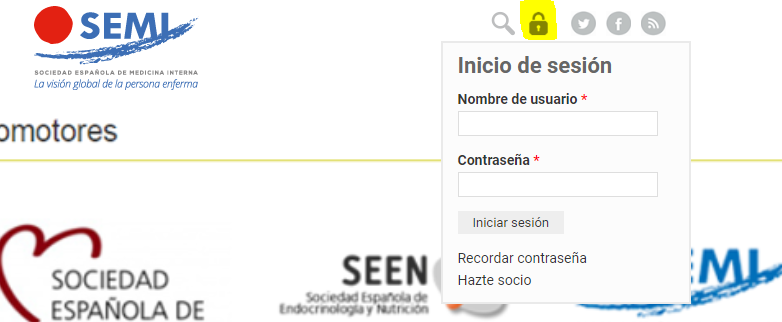
Una vez autentificado, en la misma web de FESEMI, en el menú superior, elija la opción deseada.
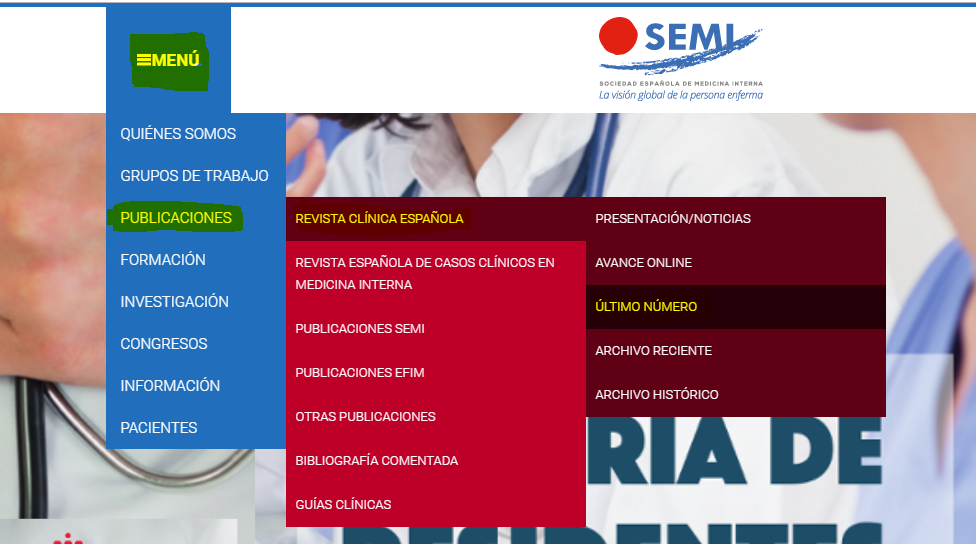
>>>FESEMI<<<