

Article information
Abstract
Full Text
Bibliography
Download PDF
Statistics
Tables (9)
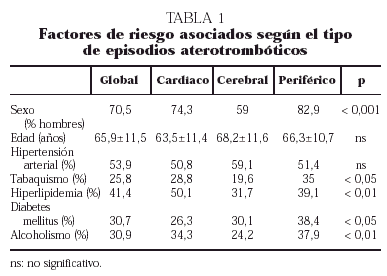
Fig. 1. Frecuencia de los episodios aterotrombóticos previos en cada grupo de pacientes con manifestaciones clínicas actuales cardíacas, cerebrales o vasculares periféricas.

Fig. 2. Modificación de la estrategia terapéutica antitrombótica después del último episodio aterotrombótico.

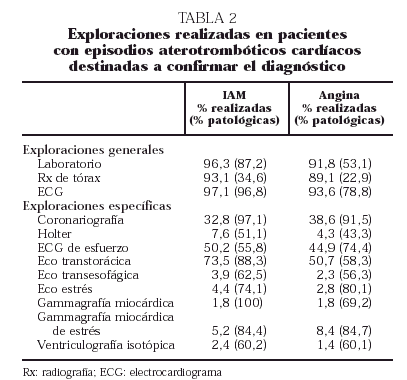
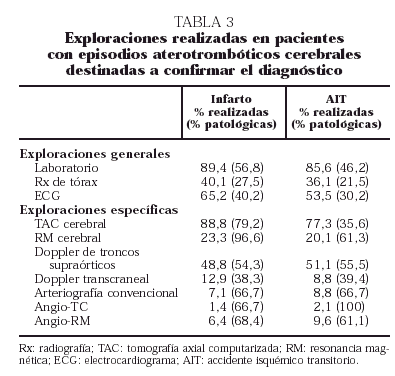
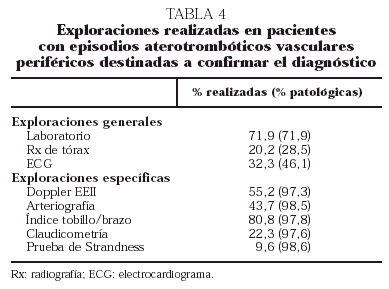
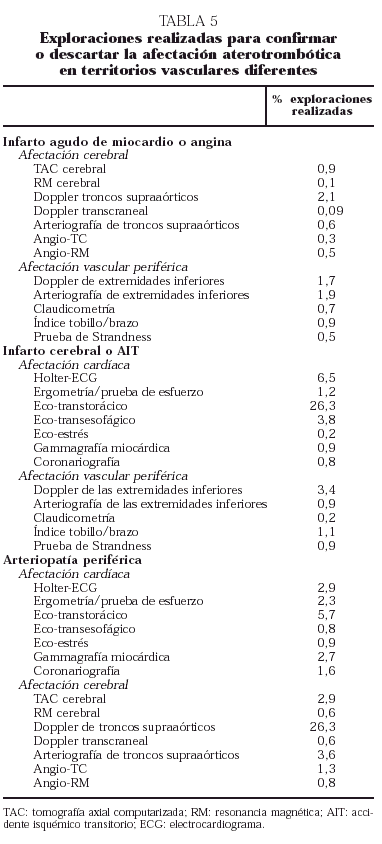
Fig. 3. Rentabilidad diagnóstica (porcentaje de pruebas diagnósticas patológicas) de las exploraciones realizadas en otros territorios vasculares que el que motivó la inclusión en el estudio. IAM: infarto agudo de miocardio; AIT: accidente isquémico transitorio.
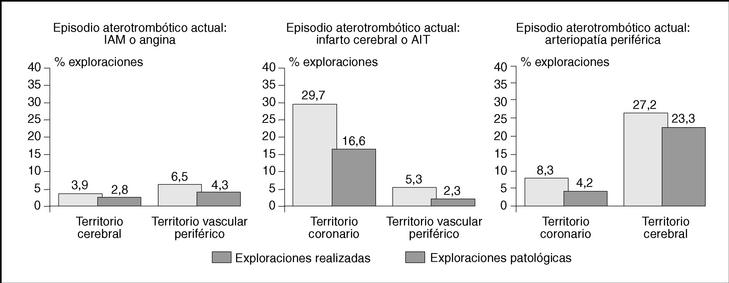
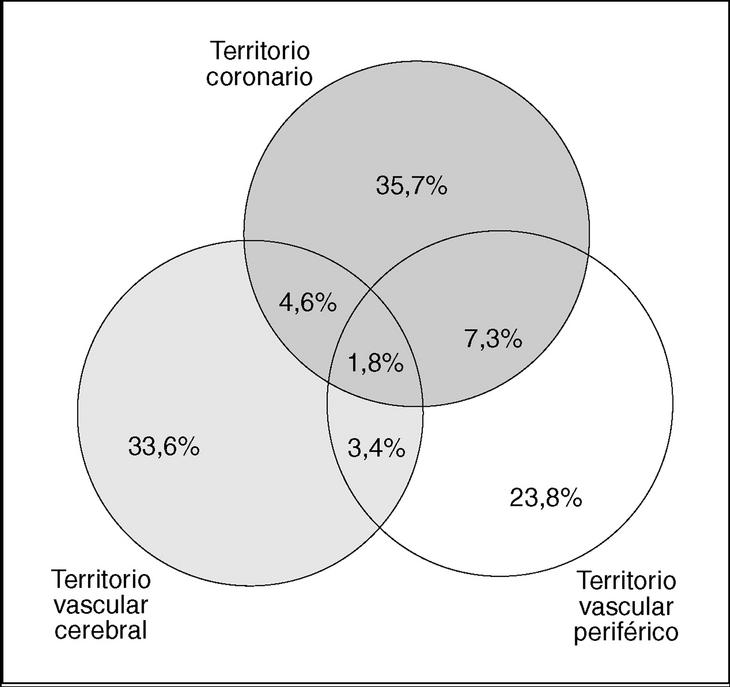
Fig. 4. Porcentaje de territorios vasculares afectados después de completar el estudio diagnóstico.
Show moreShow less
Objetivo. El Estudio ADA se diseñó para conocer las pautas de actuación habituales en España para el diagnóstico y tratamiento en una cohorte de pacientes que han padecido un episodio aterotrombótico reciente. Pacientes y método. Estudio epidemiológico transversal, observacional y multicéntrico (294 hospitales) en el que se incluyeron 3.512 pacientes con un episodio aterotrombótico en territorio vascular coronario o cerebral de hasta un mes de antigüedad o diagnosticados de arteriopatía periférica sintomática durante los tres últimos meses. Participaron 347 investigadores (155 cardiólogos, 113 neurólogos y 79 cirujanos vasculares). Resultados. El 54,9% de los pacientes incluidos presentaron un episodio aterotrombótico previo, y de éstos, sólo el 63,1% tomaban medicación antitrombótica; después del segundo episodio el 2,6% seguía sin recibir tratamiento preventivo. Se comprobó una gran disparidad y excesivo número de pruebas diagnósticas para confirmar el diagnóstico del episodio aterotrombótico actual, lo que contrasta con un exiguo porcentaje de pacientes en los que se realizaron exploraciones para confirmar o descartar la afectación aterotrombótica en otros territorios vasculares. Conclusiones. Es necesario protocolizar adecuadamente el proceso diagnóstico y terapéutico en los pacientes susceptibles de presentar manifestaciones clínicas por un proceso aterotrombótico.
Palabras clave:
aterotrombosis, antiagregantes plaquetarios, manejo de la enfermedad
Objective. The ADA Study was designed to know the usual action guidelines in Spain for the diagnosis and treatment in a cohort of patients who had a recent atherothrombotic event. Patients and methods. Cros-sectional, observational, multicenter epidemiologic study (294 hospitals) with a total of 3,512 patients enrolled. Patients had had an atherothrombotic event in the coronary or cerebral vascular territory in the previous month or were diagnosed of symptomatic peripheral arterial disease within the last 3 months. A total of 237 investigators (155 cardiologists, 113 neurologists, and 79 vascular surgeons) participated in the study. Results. 54.9% of patients in the study had a previous atherothrombotic event. Of these, 63.1% were on antithrombotic therapy; after the second episode, 2.6% of patients were on no preventive therapy. A great disparity and an excessive number of diagnostic tests was found to confirm the diagnosis of the current atherothrombotic event, which is in contrast with a small percentage of patients who had exams performed to confirm or rule out the atherothrombotic involvement in other vascular territories. Conclusions. An appropriate protocol should be established for the diagnosis and therapy of patients with the likelihood of having clinical manifestations due to an ahterothrombotic event.
Keywords:
atherothrombosis, antiplatelet agents, disease management
Article
These are the options to access the full texts of the publication Revista Clínica Española (English Edition)
Member
Si es usted socio de FESEMI siga los siguientes pasos:
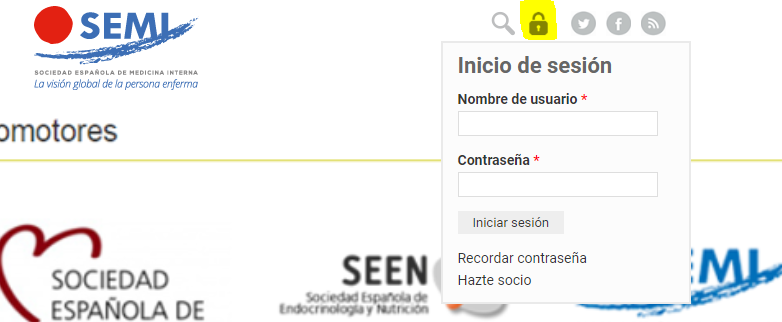
Diríjase desde aquí a la web de la >>>FESEMI<<< e inicie sesión mediante el formulario que se encuentra en la barra superior, pulsando sobre el candado.
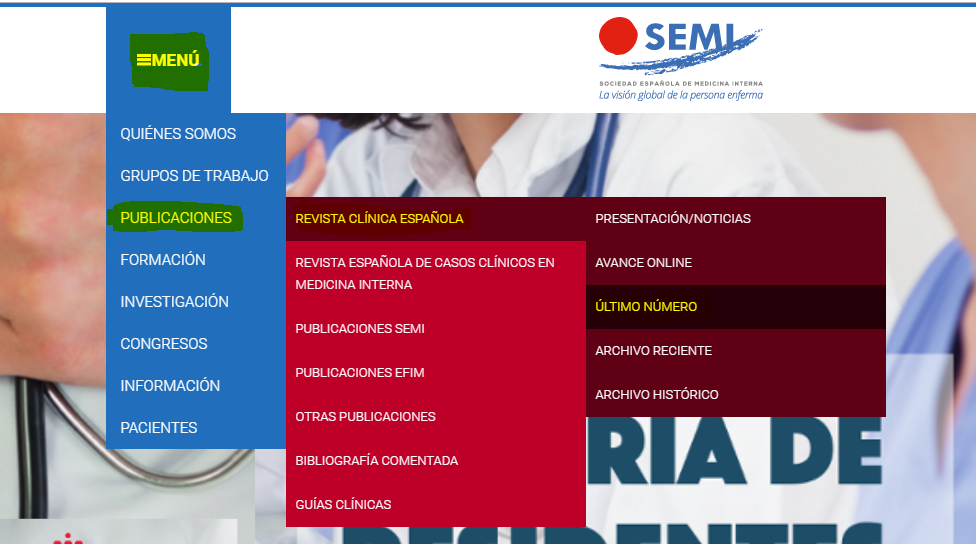
Una vez autentificado, en la misma web de FESEMI, en el menú superior, elija la opción deseada.
>>>FESEMI<<<
Purchase