Sugerencias
Idioma
Guía para autores
Buscador
Información de la revista
Cita
Cita
Compartir
Descargar PDF
Más opciones de artículo
Visitas
466
Documento de consenso
Disponible online el 3 de septiembre de 2026

Resumen ejecutivo del documento de consenso para las recomendaciones sobre el tratamiento de la enfermedad tromboembólica venosa en el embarazo: documento de consenso de la Sociedad Española de Medicina Interna, la Sociedad Española de Radiología Médica, la Sociedad Española de Radiología Vascular e Intervencionista y la Sociedad Española de Ginecología y Obstetricia 2026

Executive summary of the consensus document for recommendations on the treatment of venous thromboembolism in pregnancy: consensus document from the Spanish Society of Internal Medicine, the Spanish Society of Medical Radiology, the Spanish Society of Vascular Interventional Radiology and the Spanish Society of Gynecology and Obstetrics 2026
Visitas
466
M.Á. Fidalgo-Fernándeza,b,c, M. Ortiz-Rodríguezc,d,e,
Autor para correspondencia
mariaortizroguez@gmail.com

Autor para correspondencia.
, S. Moragón-Ledesmac,f,g,h, S. Lojo-Lendoiroi,j,k,l, P. Demelo-Rodriguezc,f,g,h, M. Grau-Garcíal,m,n, M. Martín-Asenjoc,o,p, B. Serrano-Sánchezq,r, N. Martínez-Sánchezr,s, O. Madridano-Coboc,t, E. Gálvez-Gonzálezk,u, F. Galeano-Vallec,f,g,h
a Unidad de Enfermedad Tromboembólica Venosa, Medicina Interna, Hospital Universitario de Salamanca, Salamanca, España
b Facultad de Medicina, Universidad de Salamanca, Salamanca, España
c Área de Medicina Interna, Sociedad Española de Medicina Interna (SEMI), Madrid, España
d Medicina Interna, Hospital Clinic, Barcelona, España
e Facultat de Medicina i Ciències de la Salut, Universitat de Barcelona (UB), Barcelona, España
f Unidad de Enfermedad Tromboembólica Venosa, Medicina Interna, Hospital General Universitario Gregorio Marañón, Madrid, España
g Área de Investigación Biomédica y Ciencias de la Salud, Instituto de Investigación Sanitaria Gregorio Marañón (IiSGM), Madrid, España
h Facultad de Medicina, Universidad Complutense de Madrid, Madrid, España
i Servicio de Radiodiagnóstico, Sección de Radiología Vascular Intervencionista, Complexo Hospitalario de Ferrol, Hospital Arquitecto Marcide, Ferrol, España
j Facultad de Medicina, Universidad de Santiago de Compostela, Santiago de Compostela, España
k Sociedad Española de Radiología Intervencionista (SERVEI), Madrid, España
l Área de Radiología Médica, Sociedad Española de Radiología Médica (SERAM), Madrid, España
m Sección de Radiología de Urgencias H.U., Basurto, Bilbao, España
n Sociedad Española de Radiología de Urgencias (SERAU), Madrid, España
o Servicio de Medicina Interna, Hospital Clínico Universitario de Valladolid, Valladolid, España
p Facultad de Medicina, Universidad de Valladolid, Valladolid, España
q Obstetricia y Ginecología, Hospital Vall d́Hebron, Valladolid, España
r Área de Ginecología y Obstetricia, Sociedad Española de Ginecología y Obstetricia (SEGO), Madrid, España
s Obstetricia y Ginecología, Hospital Universitario de La Paz, Madrid, España
t Medicina Interna, Hospital Universitario Infanta Sofía, San Sebastián de los Reyes, Madrid, España
u Servicio de Radiodiagnóstico, Sección de Radiología Vascular Intervencionista, Hospital Universitario Severo Ochoa, Leganés, Madrid, España
Ver más
Este artículo ha recibido
Información del artículo
Resumen
Texto completo
Bibliografía
Descargar PDF
Estadísticas
Resumen
Introducción

La heparina de bajo peso molecular (HBPM) es el tratamiento anticoagulante de elección para el tratamiento de la enfermedad tromboembólica venosa (ETV) durante la gestación y la lactancia. Los antagonistas de vitamina K (AVK) están contraindicados durante las semanas seis a 12 por relacionarse con una embriopatía específica y en el tercer trimestre por el riesgo hemorrágico. Los anticoagulantes orales de acción directa (ACOD) están contraindicados en el embarazo y la lactancia por riesgo de malformaciones prenatales. Técnicas de reperfusión, como la fibrinólisis sistémica o la trombectomía mecánica, se reservan para casos de embolia pulmonar (EP) con inestabilidad hemodinámica.

Métodos y resultados

Este documento de consenso, elaborado por las Sociedades Españolas de Medicina Interna (SEMI), de Radiología Médica (SERAM), de Radiología Vascular e Intervencionista (SERVEI) y Sociedad Española de Ginecología y Obstetricia (SEGO), realiza una revisión exhaustiva de la evidencia más reciente sobre el tratamiento de la ETV en la paciente gestante y actualiza las recomendaciones.

Palabras clave:
Embarazo
Embolia pulmonar
Enfermedad tromboembólica venosa
Gestación
Tratamiento
Trombosis venosa profunda
Abstract
Introduction

Low-molecular-weight heparin is the anticoagulant treatment of choice for managing venous thromboembolism (VTE) during pregnancy and lactation. Vitamin K antagonists are contraindicated between weeks 6-12 of gestation due to their association with a specific embryopathy, and during the third trimester due to the risk of bleeding. Direct oral anticoagulants are contraindicated during pregnancy and breastfeeding because of the risk of prenatal malformations. Reperfusion techniques, such as systemic thrombolysis or mechanical thrombectomy, are reserved for cases of pulmonary embolism with hemodynamic instability.

Methods and result

This consensus document, developed by the Spanish Societies of Internal Medicine, Medical Radiology, Vascular and Interventional Radiology, and Gynecology and Obstetrics, provides a comprehensive review of the most recent evidence on the treatment of VTE in pregnant patients and updates current recommendations.

Keywords:
Pregnancy
Pulmonary embolism
Venous thromboembolism
Gestation
Treatment
Deep venous thrombosis

Artículo

Opciones para acceder a los textos completos de la publicación Revista Clínica Española
Socio
Si es usted socio de FESEMI siga los siguientes pasos:

Diríjase desde aquí a la web de la >>>https://www.fesemi.org/publicaciones/revista-clinica/noticias<<< e inicie sesión mediante el formulario que se encuentra en la barra superior, pulsando sobre el candado.
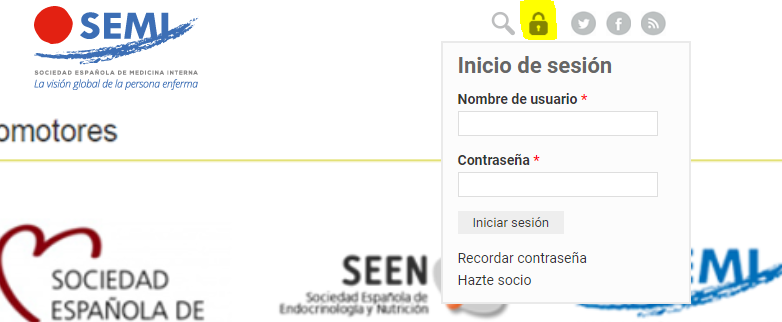
Deslice el cursor hacia abajo hasta la sección "PUBLICACIONES" y pinche en "Revista Clínica Española":

>>>https://www.fesemi.org/publicaciones/revista-clinica/noticias<<<


Suscriptor
Suscriptor de la revista

Si ya tiene sus datos de acceso, clique aquí.

Si olvidó su clave de acceso puede recuperarla clicando aquí y seleccionando la opción "He olvidado mi contraseña".
Suscribirse
Suscribirse a:
Revista Clínica Española
Comprar
Comprar acceso al artículo

Comprando el artículo el PDF del mismo podrá ser descargado

Comprar ahora
Contactar
Teléfono para suscripciones e incidencias
De lunes a viernes de 9h a 18h (GMT+1) excepto los meses de julio y agosto que será de 9 a 15h
Llamadas desde España
932 415 960
Llamadas desde fuera de España
+34 932 415 960
Email
Bibliografía
[1]
S.M. Bates.
Pulmonary embolism in pregnancy.
Semin Respir Crit Care Med., 42 (2021), pp. 284-298
[2]
S.V. Konstantinides, G. Meyer, C. Becattini, ESC Scientific Document Group., et al.
2019 ESC Guidelines for the diagnosis and management of acute pulmonary embolism developed in collaboration with the European Respiratory Society (ERS).
Eur Heart J., 41 (2020), pp. 543-603
[3]
D.R. Kalaitzopoulos, A. Panagopoulos, S. Samant, et al.
Management of venous thromboembolism in pregnancy.
Thromb Res., 211 (2022), pp. 106-113
[4]
J. Tester, G. Hammerschlag, L. Irving, D. Pascoe, M. Rees.
Investigation and diagnostic imaging of suspected pulmonary embolism during pregnancy and the puerperium: A review of the literature.
J Med Imaging Radiat Oncol., 64 (2020), pp. 505-515
[5]
C.D. Dado, A.T. Levinson, G. Bourjeily.
Pregnancy and pulmonary embolism.
Clin Chest Med., 39 (2018), pp. 525-537
[6]
G. Mehdipoor, D. Jimenez, Bertoletti, et al.
Imaging modalities for confirming pulmonary embolism during pregnancy: results from a multicenter international study.
Eur Radiol., 32 (2022), pp. 1238-1246
[7]
C. Tromeur, L.M. van der Pol, P.-Y. Le Roux, et al.
Computed tomography pulmonary angiography versus ventilation-perfusion lung scanning for diagnosing pulmonary embolism during pregnancy: a systematic review and meta-analysis.
Haematologica., 104 (2019), pp. 176-188
[8]
L.M. Van der Pol, C. Tromeur, I.M. Bistervels, et al.
Pregnancy-adapted YEARS algorithm for diagnosis of suspected pulmonary embolism.
N Engl J Med., 380 (2019), pp. 1139-1149
[9]
T. van der Hulle, W.Y. Cheung, S. Kooij, et al.
Simplified diagnostic management of suspected pulmonary embolism (the YEARS study): a prospective, multicentre, cohort study.
[10]
I.Y. Elgendy, A. Fogerty, A. Blanco-Molina, et al.
Clinical characteristics and outcomes of women presenting with venous thromboembolism during pregnancy and post-partum period: Findings from the RIETE Registry.
Thromb Hemos., 120 (2020), pp. 1454-1462
[11]
D. van Driel, J. Wesseling, P.J. Sauer, E. van Der Beer, B.C. Touwen, M. Smrkovsky.
In utero exposure to coumarins and cognition at 8 to 14 years old.
Pediatrics., 107 (2001), pp. 123-129
[12]
J. Beyer-Westendorf, F. Michalski, L. Tittl, et al.
Pregnancy outcome in patients exposed to direct oral anticoagulants- and the challenge of event reporting.
Thromb Haemost., 116 (2016), pp. 651-658
[13]
D. Rodriguez, C. Jerjes-Sanchez, S. Fonseca, et al.
Thrombolysis in massive and submassive pulmonary embolism during pregnancy and the puerperium: a systematic review.
J Thromb Thrombolysis.V 50, (2020), pp. 929-941
[14]
M. Blondon, B. Martinez de Tejada, F. Glauser, M. Righini, H. Robert-Ebadi.
Management of high-risk pulmonary embolism in pregnancy.
Thromb Res., 204 (2021), pp. 57-65
[15]
D.W. Barritt, S.C. Jordan.
Anticoagulant drugs in the treatment of pulmonary embolism. A controlled trial.
[16]
E. Romualdi, F. Dentali, E. Rancan, et al.
Anticoagulant therapy for venous thromboembolism during pregnancy: a systematic review and a meta-analysis of the literature.
J Thromb Haemost., 11 (2013), pp. 270-281
[17]
U. Villasanta.
Thromboembolic disease in pregnancy.
Am J Obstet Gynecol., 93 (1965), pp. 142-160
[18]
T.C. Dahlman.
Osteoporotic fractures and the recurrence of thromboembolism during pregnancy and the puerperium in 184 women undergoing thromboprophylaxis with heparin.
Am J Obstet Gynecol., 168 (1993), pp. 1265-1270
[19]
P. Galambosi, V. Hiilesmaa, V.M. Ulander, L. Laitinen, A. Tiitinen, R. Kaaja.
Prolonged low-molecular-weight heparin use during pregnancy and subsequent bone mineral density.
Thromb Res., 143 (2016), pp. 122-126
[20]
I.A. Greer, C. Nelson-Piercy.
Low-molecular-weight heparins for thromboprophylaxis and treatment of venous thromboembolism in pregnancy: a systematic review of safety and efficacy.
[21]
M. Sartori, E. Favaretto, L. Migliaccio, et al.
The incidence of heparin-induced thrombocytopenia in patients treated with low molecular weight heparin for superficial vein thrombosis.
Thromb Res., 139 (2016), pp. 154-157
[22]
S.M. Bates, I.A. Greer, S. Middeldorp, D.L. Veenstra, A.M. Prabulos, P.O. Vandvik.
VTE, thrombophilia, antithrombotic therapy, and pregnancy: Antithrombotic Therapy and Prevention of Thrombosis, 9th ed: American College of Chest Physicians Evidence-Based Clinical Practice Guidelines.
Chest., 141 (2012), pp. e691S-e736S
[23]
S. DeCarolis, E. di Pasquo, E. Rossi, et al.
Fondaparinux in pregnancy: could it be a safe option?. A review of the literature.
Thromb Res., 135 (2015), pp. 1049-1051
[24]
C.E. Dempfle.
Minor transplacental passage of fondaparinux in vivo.
N Engl J Med., 350 (2004), pp. 1914-1915
[25]
W.S. Chan, S. Anand, J.S. Ginsberg.
Anticoagulation of pregnant women with mechanical heart valves: a systematic review of the literature.
Arch Intern Med., 160 (2000), pp. 191-196
[26]
J.G. Hall, R.M. Pauli, K.M. Wilson.
Maternal and fetal sequelae of anticoagulation during pregnancy.
Am J Med., 68 (1980), pp. 122-140
[27]
A. Hassouna, H. Allam.
Anticoagulation of pregnant women with mechanical heart valve prosthesis: a systematic review of the literature (2000-2009).
J Coagul Disord., 2 (2010), pp. 81-88
[28]
C. Schaefer, D. Hannemann, R. Meister, et al.
Vitamin K antagonists and pregnancy outcome. A multi-centre prospective study.
Thromb Haemost., 95 (2006), pp. 949-957
[29]
C.G. Fondevila, S. Meschengieser, A. Blanco, L. Peñalva, M.A. Lazzari.
Effect of acenocoumarine on the breast-fed infant.
Thromb Res., 56 (1989), pp. 29-36
[30]
L.E. Nava, A.B. Gómez, V.M. González.
Plasma and milk concentrations of acenocoumarin in breast-feeding women during post partum.
Ginecol Obstet Mex., 72 (2004), pp. 550-560
[31]
E. Olthof, T.W. de Vries.
Breast feeding and oral anticoagulants.
Tijdschr Kindergeneeskd., 61 (1993), pp. 175-177
[32]
H. Cohen, D.R. Arachchillage, S. Middeldorp, J. Beyer-Westendorf, R. Abdul-Kadir.
Management of direct oral anticoagulants in women of childbearing potential: guidance from the SSC of the ISTH.
J Thromb Haemost., 14 (2016), pp. 1673-1676
[33]
Boehringer Ingelheim, Pharmaceuticals. Prescribing information for Pradaxa (dabigatran etexilate mesylate). July 2017. [consultado 2 Feb 2018]. Disponible en: http://docs.boehringer-ingelheim.com/Prescribing%20Information/PIs/Pradaxa/Pradaxa.pdf.
[34]
Bristol-Myers-Squibb. Prescribing information for Eliquis (apixaban). April 2017. [consultado 2 Feb 2018]. Disponible en: https://packageinserts.bms.com/pi/pi_eliquis.pdf.
[35]
Daiichi, Sankyo.
Prescribing information for Savaysa (edoxaban)., (November 2017),
[36]
A.W. Tang, I. Greer.
A systematic review on the use of new anticoagulants in pregnancy.
Obstet Med., 6 (2013), pp. 64-71
[37]
A.L. Areia, A. Mota-Pinto.
Experience with direct oral anticoagulants in pregnancy - a systematic review.
J Perinat Med., 50 (2022), pp. 457-461
[38]
H. Lameijer, J.J.J. Aalberts, D.J. van Veldhuisen, K. Meijer, P.G. Pieper.
Efficacy and safety of direct oral anticoagulants during pregnancy; a systematic literature review.
Thromb Res., 169 (2018), pp. 123-127
[39]
Sociedad Española de Ginecología y Obstetricia.
Recomendaciones sobre la asistencia al parto., (2008),
[40]
Sociedad Española de Ginecología y Obstetricia.
Guía sistemática de la exploración ecográfica del segundo trimestre.
Prog Obstet Ginecol., 63 (2020), pp. 99-122
[41]
M. Othman, A. Santamaría Ortiz, M. Cerdá, et al.
Thrombosis and hemostasis health in pregnancy: Registries from the International Society on Thrombosis and Haemostasis.
Res Pract Thromb Haemost., 3 (2019), pp. 607-614
[42]
A.B. Kjaergaard, J. Fuglsang, A.M. Hvas.
Anti-Xa Monitoring of Low-Molecular-Weight Heparin during Pregnancy: A Systematic Review.
Semin Thromb Hemost., 47 (2021), pp. 824-842
[43]
S. Middeldorp, W. Ganzevoort.
How I treat venous thromboembolism in pregnancy.
Blood., 136 (2020), pp. 2133-2142
[44]
S.K. Kakkos, M. Gohel, N. Baekgaard, et al.
Editor's Choice – European Society for Vascular Surgery (ESVS) 2021 Clinical practice guidelines on the management of venous thrombosis.
Eur J Vasc Endovasc Sug., 61 (2021),
[45]
S. Bhutia, P.F. Wong.
Once versus twice daily low molecular weight heparin for the initial treatment of venous thromboembolism.
Cochrane Database Syst Rev., 2013 (2013),
[46]
J. Voke, J. Keidan, S. Pavord, N.H. Spencer, B.J. Hunt, British Society for Haematology Obstetric Haematology Group.
The management of antenatal venous thromboembolism in the UK and Ireland: a prospective multicentre observational survey.
Br J Haematol., 139 (2007), pp. 545-558
[47]
J. Lepercq, J. Conard, A. Borel-Derlon, et al.
Venous thromboembolism during pregnancy: a retrospective study of enoxaparin safety in 624 pregnancies.
[48]
M. Knight, UKOSS.
Antenatal pulmonary embolism: risk factors, management and outcomes.
[49]
A. Abdul Sultan, M.J. Grainge, J. West, K.M. Fleming, C. Nelson-Piercy, L.J. Tata.
Impact of risk factors on the timing of first postpartum venous thromboembolism: a population-based cohort study from England.
Blood., 124 (2014), pp. 2872-2880
[50]
H. Kamel, B.B. Navi, N. Sriram, D.A. Hovsepian, R.B. Devereux, M.S.V. Elkind.
Risk of a thrombotic event after the 6-week postpartum period.
N Engl J Med., 370 (2014), pp. 1307-1315
[51]
J. Wilbur, B. Shian.
Deep Venous Thrombosis and Pulmonary Embolism: Current Therapy.
Am Fam Physician., 95 (2017), pp. 295-302
[52]
S.M. Bates, A. Rajasekhar, S. Middeldorp, et al.
American Society of Haematology 2018 guidelines for management of venous thromboembolism: venous thromboembolism in the context of pregnancy.
Blood Adv., 2 (2018), pp. 3317-3359
[53]
American College of Obstetricians, Gynecologists’ Committee on Practice Bulletins–Obstetrics.
ACOG Practice Bulletin No. 197: Inherited Thrombophilias in Pregnancy.
Obstet Gynecol., 132 (2018), pp. e18-e34
[54]
A.K. Frank, B. Samuelson Bannow.
Venous thromboembolism in pregnancy and postpartum: an illustrated review.
Res Pract Thromb Haemost., 8 (2024),
[55]
W.S. Chan, E. Rey, N.E. Kent, et al.
Venous thromboembolism and antithrombotic therapy in pregnancy.
J Obstet Gynaecol Can., 36 (2014), pp. 527-553
[56]
M.A. Sevestre, M. Talbot, L. Bertoletti, et al.
Unresolved questions on venous thromboembolic disease. Therapeutic management of superficial vein thrombosis (SVT). Consensus statement of the French Society for Vascular Medicine (SFMV).
J Med Vasc., 49 (2024), pp. 162-169
[57]
S.M. Stevens, S.C. Woller, L. Baumann Kreuziger, et al.
Antithrombotic Therapy for VTE Disease: Compendium and Review of CHEST Guidelines 2012-2021.
Chest., 166 (2024), pp. 388-404
[58]
H. Decousus, P. Prandoni, P. Mismetti, et al.
Fondaparinux for the treatment of superficial-vein thrombosis in the legs.
N Engl J Med., 363 (2010), pp. 1222-1232
[59]
Royal College of Obstetricians and Gynaecologists. Thromboembolic disease in pregnancy and the puerperium: acute management Green-top Guideline No. 37b. 2015.
[60]
A. Saad, M. Safarzadeh, M. Shepherd.
Anticoagulation Regimens in Pregnancy.
Obstet Gynecol Clin North Am., 50 (2023), pp. 241-249
[61]
M. Monreal, E. Lafoz, A. Olive, L. del Río, C. Vedia.
Comparison of subcutaneous unfractionated heparin with a low molecular weight heparin (Fragmin) in patients with venous thromboembolism and contraindications to coumarin.
Thromb Haemost., 71 (1994), pp. 7-11
[62]
A.Y.Y. Lee, M.N. Levine, R.I. Baker, et al.
Low-molecular-weight heparin versus a coumarin for the prevention of recurrent venous thromboembolism in patients with cancer.
N Engl J Med., 349 (2003), pp. 146-153
[63]
I.M. Bistervels, A. Buchmüller, H.M.G. Wiegers, et al.
Intermediate-dose versus low-dose low-molecular-weight heparin in pregnant and post-partum women with a history of venous thromboembolism (Highlow study): an open-label, multicentre, randomised, controlled trial.
Lancet., 400 (2022), pp. 1777-1787
[64]
C. Kearon, W. Ageno, S.C. Cannegieter, et al.
Categorization of patients as having provoked or unprovoked venous thromboembolism: guidance from the SSC of ISTH.
J Thromb Haemost., 14 (2016), pp. 1480-1483
[65]
J. Douketis, A. Tosetto, M. Marcucci, et al.
Risk of recurrence after venous thromboembolism in men and women: patient level meta-analysis.
BMJ., 342 (2011),
[66]
B. Linnemann, R. Bauersachs, H. Rott, Diagnosis of pregnancy-associated venous thromboembolism—position paper of the Working Group in Women's Health of the Society of Thrombosis and Haemostasis (GTH), et al.
[67]
A.E. Fogerty.
Challenges of Anticoagulation Therapy in Pregnancy.
Curr Treat Options Cardiovasc Med., 19 (2017), pp. 76
[68]
Sociedad Española de Ginecología y Obstetricia.
Enfermedad tromboembólica venosa en la gestación.
Progresos de Obstetricia y Ginecología., 56 (2013), pp. 41-64
[69]
P. Sinha, N. Kuruba.
Ante-partum haemorrhage: an update.
J Obstet Gynaecol., 28 (2008), pp. 377-381
[70]
G.J. Hofmeyr, Z. Qureshi.
Preventing deaths due to haemorrhage.
Best Pract Res Clin Obstet Gynaecol., 36 (2016), pp. 68-82
[71]
H.M. Knol, L. Schultinge, N.J. Veeger, H.C. Kluin-Nelemans, J.J. Erwich, K. Meijer.
The risk of postpartum hemorrhage in women using high dose of low-molecular-weight heparins during pregnancy.
Thromb Res., 130 (2012), pp. 334-338
[72]
S. Roshani, D.M. Cohn, A.C. Stehouwer, et al.
Incidence of postpartum haemorrhage in women receiving therapeutic doses of low-molecular-weight heparin: results of a retrospective cohort study.
BMJ Open., 1 (2011),
[73]
C. Nelson-Piercy, R. Powrie, J.Y. Borg, et al.
Tinzaparin use in pregnancy: an international, retrospective study of the safety and efficacy profile.
Eur J Obstet Gynecol Reprod Biol., 159 (2011), pp. 293-299
[74]
J.S. Limmer, C.A. Grotegut, E. Thames, S.K. Dotters-Katz, L.R. Brancazio, A.H. James.
Postpartum wound and bleeding complications in women who received peripartum anticoagulation.
Thromb Res., 132 (2013), pp. e19-e23
[75]
P.G. Lindqvist, K. Bremme, M. Hellgren, Working Group on Hemostatic Disorders (Hem-ARG), Swedish Society of Obstetrics and Gynecology.
Efficacy of obstetric thromboprophylaxis and long-term risk of recurrence of venous thromboembolism.
Acta Obstet Gynecol Scand., 90 (2011), pp. 648-653
[76]
M.J. Osterman, J.A. Martin.
Epidural and spinal anesthesia use during labor: 27-state reporting area, 2008.
Natl Vital Stat Rep., 59 (2011), pp. 1-13
[77]
S.W. Simmons, N. Taghizadeh, A.T. Dennis, D. Hughes, A.M. Cyna.
Combined spinal-epidural versus epidural analgesia in labour.
Cochrane Database Syst Rev., 10 (2012),
[78]
V.A. Danilack, D.D. Dore, E.W. Triche, J.H. Muri, M.G. Phipps, D.A. Savitz.
The effect of labour induction on the risk of caesarean delivery: using propensity scores to control confounding by indication.
BJOG., 123 (2016), pp. 1521-1529
[79]
P. Middleton, E. Shepherd, V. Flenady, R.D. McBain, C.A. Crowther.
Planned early birth versus expectant management (waiting) for prelabour rupture of membranes at term (37 weeks or more).
Cochrane Database Syst Rev., 1 (2017),
[80]
M. Boulvain, O. Irion, T. Dowswell, J.G. Thornton.
Induction of labour at or near term for suspected fetal macrosomia.
Cochrane Database Syst Rev., (2016),
[81]
S. Wood, S. Cooper, S. Ross.
Does induction of labour increase the risk of caesarean section? A systematic review and meta-analysis of trials in women with intact membranes.
BJOG., 121 (2014), pp. 674-685
[82]
K.F. Walker, G.J. Bugg, M. Macpherson, et al.
Randomized trial of labor induction in women 35 years of age or older.
N Engl J Med., 374 (2016), pp. 813-822
[83]
S. Alberico, A. Erenbourg, M. Hod, GINEXMAL Group, et al.
Immediate delivery or expectant management in gestational diabetes at term: the GINEXMAL randomised controlled trial.
BJOG., 124 (2017), pp. 669-677
[84]
W.A. Grobman, M.M. Rice, U.M. Reddy, et al.
Labor induction versus expectant management in low-risk nulliparous women.
N Engl J Med., 379 (2018), pp. 513-523
[85]
D. Leduc, V. Senikas, A.B. Lalonde.
Clinical Practice Obstetrics Committee Active management of the third stage of labour: prevention and treatment of postpartum hemorrhage.
J Obstet Gynaecol Can., 31 (2009), pp. 980-993
[86]
Prevention and management of postpartum haemorrhage: Green-top Guideline No. 52.
BJOG., 124 (2017), pp. e106-e149
[87]
L. Leffert, A. Butwick, B. Carvalho, et al.
The Society for Obstetric Anesthesia and Perinatology consensus statement on the anesthetic management of pregnant and postpartum women receiving thromboprophylaxis or higher dose anticoagulants.
Anesth Analg., 126 (2018), pp. 928-944
[88]
L.R. Leffert, H.M. Dubois, A.J. Butwick, B. Carvalho, T.T. Houle, R. Landau.
Neuraxial anesthesia in obstetric patients receiving thromboprophylaxis with unfractionated or lowmolecular- weight heparin: a systematic review of spinal epidural hematoma.
Anesth Analg., 125 (2017), pp. 223-231
[89]
S.L. Kopp, E. Vandermeulen, R.D. McBane, A. Perlas, L. Leffert, T. Horlocker.
Regional anesthesia in the patient receiving antithrombotic or thrombolytic therapy: American Society of Regional Anesthesia and Pain Medicine Evidence-Based Guidelines (fifth edition).
Reg Anesth Pain Med., (2025),
[90]
S. Kietaibl, R. Ferrandis, A. Godier, et al.
Regional anaesthesia in patients on antithrombotic drugs: Joint ESAIC/ESRA guidelines.
Eur J Anaesthesiol., 39 (2022), pp. 100-132
[91]
T.T. Horlocker, E. Vandermeulen, S.L. Kopp, W. Gogarten, L.R. Leffert, H.T. Benzon.
Regional anesthesia in the patient receiving antithrombotic or thrombolytic therapy: American Society of Regional Anesthesia and Pain Medicine Evidence-Based Guidelines (Fourth Edition).
Reg Anesth Pain Med., 43 (2018), pp. 263-309
[92]
S.A. Harris, R. Velineni, A.H. Davies.
Inferior Vena Cava Filters in Pregnancy: A Systematic Review.
J Vasc Interv Radiol., 27 (2016), pp. 354-360.e8
[93]
G. Martillotti, F. Boehlen, H. Robert-Ebadi, N. Jastrow, M. Righini, M. Blondon.
Treatment options for severe pulmonary embolism during pregnancy and the postpartum period: a systematic review.
J Thromb Haemost., 15 (2017), pp. 1942-1950
[94]
T.L. Ortel, I. Neumann, W. Ageno, et al.
American Society of Hematology 2020 Guidelines for management of venous thromboembolism: treatment of deep vein thrombosis and pulmonary embolism.
Blood Adv., 4 (2020), pp. 4693-4738
[95]
R.A. Freedman, K.A. Bauer, D.S. Neuberg, J.I. Zwicker.
Timing of postpartum enoxaparin administration and severe postpartum hemorrhage.
Blood Coagul Fibrinolysis., 19 (2008), pp. 55-59
[96]
M. Sousa Gomes, M. Guimarães, N. Montenegro.
Thrombolysis in pregnancy: a literature review.
J Matern Fetal Neonatal Med., 32 (2019), pp. 2418-2428
[97]
M.A. Creager, G.D. Barnes, J. Giri, et al.
2026 AHA/ACC/ACCP/ACEP/CHEST/SCAI/SHM/SIR/SVM/SVN Guideline for the Evaluation and Management of Acute Pulmonary Embolism in Adults: A Report of the American College of Cardiology/American Heart Association Joint Committee on Clinical Practice Guidelines.
J Am Coll Cardiol., 87 (2026), pp. 1626-1710
[98]
M. Arrigo, S. Price, V.P. Harjola, et al.
Diagnosis and treatment of right ventricular failure secondary to acutely increased right ventricular afterload (acute cor pulmonale): a clinical consensus statement of the Association for Acute CardioVascular Care of the European Society of Cardiology.
Eur Heart J Acute Cardiovasc Care., 13 (2024), pp. 304-312
[99]
P. Salinas, A.B. Cid Álvarez, P. Jorge Pérez, et al.
Catheter-directed interventions in acute pulmonary embolism. Position statement of SEC-Interventional Cardiology Association/SEC-Ischemic Heart Disease and Acute Cardiovascular Care Association/SEC-Working Group on Pulmonary Hypertension.
Rev Esp Cardiol (Engl Ed)., 78 (2025), pp. 239-251
[100]
R.D. Truong, S. Cheyney, M.J. Garcia, et al.
Successful treatment of massive Pulmonary embolism in pregnancy with catheter-directed embolectomy.
AJP Rep., 14 (2024), pp. e140-e144
[101]
P. Pruszczyk, F.A. Klok, N. Kucher, et al.
Percutaneous treatment options for acute pulmonary embolism: a clinical consensus statement by the ESC Working Group on Pulmonary Circulation and Right Ventricular Function and the European Association of Percutaneous Cardiovascular Interventions.
EuroIntervention., 18 (2022), pp. e623-e638
[102]
A.I. Bloom, A. Farkas, Y. Kalish, U. Elchalal, G. Spectre.
Pharmacomechanical catheter-directed thrombolysis for pregnancy-related iliofemoral deep vein thrombosis.
J Vasc Interv Radiol., 26 (2015), pp. 992-1000
[103]
P. Krishnamurthy, C.B. Martin, H.H. Kay, et al.
Catheter-directed thrombolysis for thromboembolic disease during pregnancy: a viable option.
[104]
I.M. Bistervels, A. Buchmüller, B. Tardy.
Inferior vena cava filters in pregnancy: Safe or sor***ry?.
Front Cardiovasc Med., 9 (2022),
[105]
J. Ong, J.J.Y. Zhang, R. Lorusso, G. MacLaren, K. Ramanathan.
Extracorporeal membrane oxygenation in pregnancy and the postpartum period: a systematic review of case reports.
Int J Obstet Anesth., 43 (2020), pp. 106-113
[106]
T. Romenskaya, Y. Longhitano, A. Mahajan, et al.
Extra-Corporeal Membrane Oxygenation in Pregnancy.
J Clin Med., 13 (2024), pp. 1634
[107]
M. Daei, H. Khalili, Z. Heidari.
Direct oral anticoagulant safety during breastfeeding: a narrative review.
Eur J Clin Pharmacol., 77 (2021), pp. 1465-1471
[108]
P. Ayuk, E. Kampouraki, A. Truemann, et al.
Investigation of dabigatran secretion into breast milk: Implications for oral thromboprophylaxis in post-partum women.
Am J Hematol., 95 (2020), pp. E10-E13
[109]
Y. Yamashita, D. Hira, M. Morita, et al.
Potential treatment option of rivaroxaban for breastfeeding women: A case series.
Thromb Res., 237 (2024), pp. 141-144
[110]
M.H.J. Wiesen, C. Blaich, C. Müller, T. Streichert, R. Pfister, G. Michels.
The direct factor Xa inhibitor rivaroxaban passes into human breast milk.
Idiomas
Revista Clínica Española
Opciones de artículo
Herramientas
Material suplementario